Italian Greyhound vaccinations: the short answer
An Italian Greyhound needs the same core vaccinations as any dog. The exact schedule is set by a vet; in this article we gathered guideposts from the World Small Animal Veterinary Association and RKF materials.
The essentials:
- The core vaccines for dogs worldwide protect against distemper (CDV), adenovirus (CAV) and parvovirus (CPV).
- Where rabies exists, vaccination against it is also considered essential. By RKF material, a rabies vaccination is required for dogs over 3 months.
- Puppies are vaccinated in several doses 2–4 weeks apart, with the last at 16 weeks or older.
- A booster is advised at 26 weeks or later rather than at 12–16 months.
- A yearly check-up with the vet is worthwhile even in a year when no vaccine is due.
Which vaccinations are needed
Vaccines are divided into core and non-core.
Core (all dogs need them):
- canine distemper (CDV);
- adenovirus (CAV);
- parvovirus (CPV);
- rabies where it occurs. In Russia a rabies vaccination is mandatory.
Non-core. The vet decides by the dog’s lifestyle and region. For example, in countries where leptospirosis is widespread, vaccinating all dogs against it is strongly recommended. Ask your vet which non-core vaccines you need.
The puppy schedule
WSAVA 2024 recommendations:
- puppies get several doses of core vaccines 2–4 weeks apart;
- the last dose at 16 weeks of age or older;
- a booster at 26 weeks or later, to protect the minority of puppies in which maternal antibodies were still interfering at 16 weeks.
The reason for this schedule: maternal antibodies interfere with vaccines in very young puppies, and when they fade differs from puppy to puppy.
By RKF material, a puppy’s basic vaccinations are done by 8–12 weeks. And the puppy card should be backed by a vet passport with vaccination marks.
Exact dates and vaccines are set by your vet. Ask the breeder which vaccinations are already done and when the next is due. More in our article on choosing a puppy.
When it is safe to walk
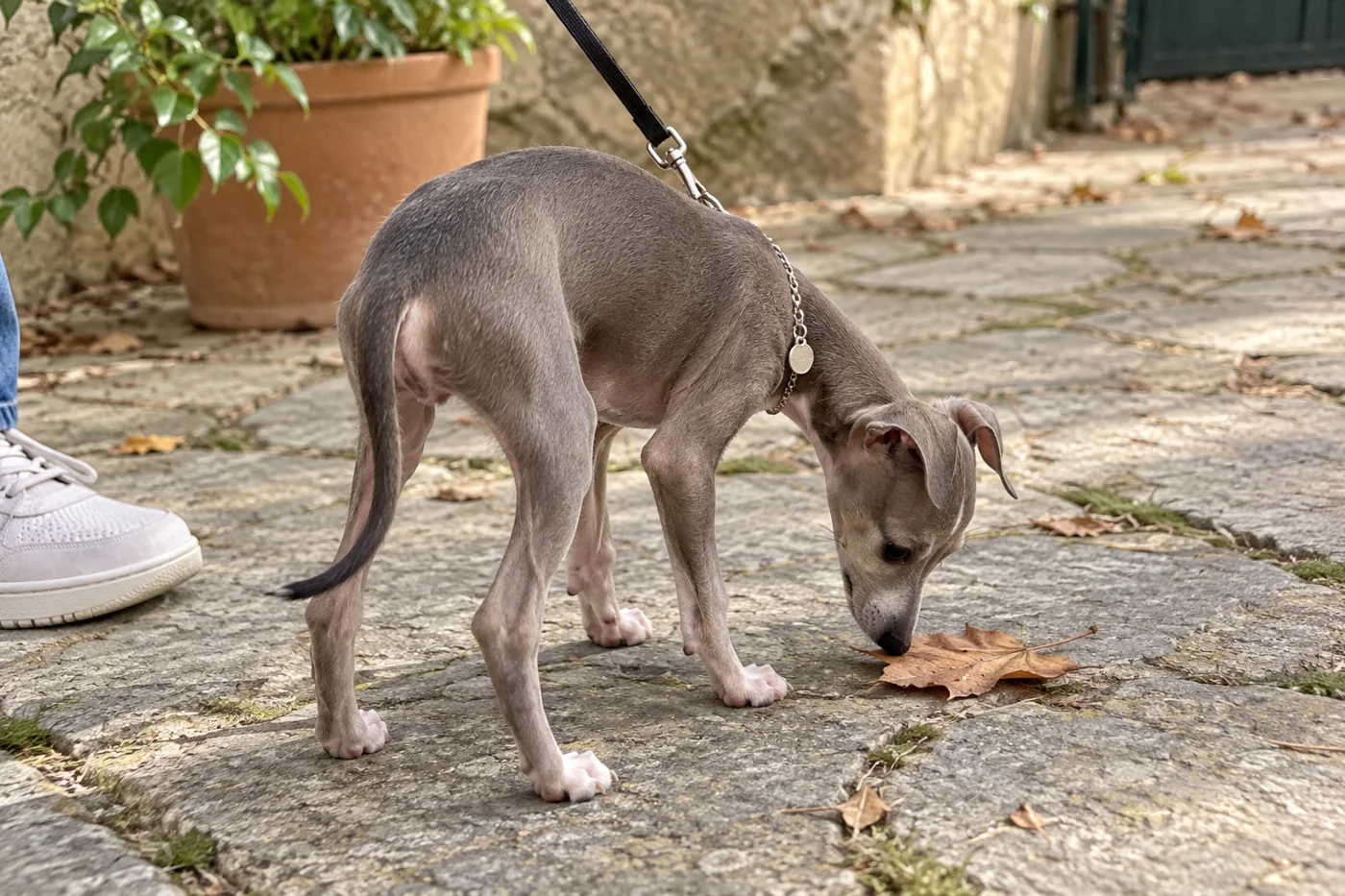
Until a puppy is vaccinated by the schedule, walking on the ground and mixing with strange dogs should follow your vet’s advice. How to arrange a first walk is covered in our article on a puppy’s first walk.
Vaccinations for an adult dog
Core vaccines should not be given more often than necessary: immunity from modern vaccines lasts many years. But a yearly check with the vet is worthwhile. And non-core vaccinations are often needed yearly, since their immunity lasts about a year.
Rabies is vaccinated in Russia by the rules in force now: check with your vet and the regional veterinary service.
The vet passport
A vet passport is mandatory for all dogs. It records:
- vaccinations with date, vaccine name and the vet’s signature;
- parasite treatments;
- the microchip or tattoo number.
Take the passport to every appointment. Without vaccination marks you may be refused at a hotel, a show or in transport.
Worms
Deworming depends on age and risk. By ESCCAP (the European organisation for parasite control):
- puppies are treated for the first time on day 14 of life and then every 2 weeks until 2 weeks after weaning: the breeder does this;
- if the risk of infection is raised (say the puppy often plays with other dogs), treatments can be monthly up to six months;
- for adult dogs the scheme is chosen by risk: dogs at shows and in kennels, or living with small children or elderly people, are treated more often, sometimes monthly;
- instead of treating by schedule you can regularly test faeces and treat by the result.
The treatment scheme should always be chosen with a vet.
Fleas and ticks
The sources we checked contain no universal schemes for protection against fleas and ticks, so we name no dates or drugs. The choice depends on region, season and the dog’s lifestyle. Consult your vet. Do not use products for other animals or take drugs on someone else’s advice: some are dangerous to dogs.
What if the dog is unwell after a vaccination
Mild dullness on the day of a vaccination happens. But if the dog refuses food, vomits, has a swollen face, laboured breathing or is very weak, contact the clinic at once. Vets are urged to report all possible adverse reactions.
Frequently asked questions
- When should a puppy have its first vaccination? The vet sets the timing of the first dose. By RKF material, a puppy’s basic vaccinations are done by 8–12 weeks.
- When is the last? At 16 weeks or later. A booster at 26 weeks or later.
- Is a rabies vaccination needed? In Russia yes. By RKF material, for dogs over 3 months.
- How often should an adult be vaccinated? Core vaccines no more often than needed; a check-up yearly. The vet sets the scheme.
- When should a puppy be dewormed? The breeder starts from day 14 of life, then by the vet’s scheme.
What to remember
- The schedule of vaccinations and treatments is set by a vet; here are only WSAVA, ESCCAP and RKF guideposts.
- A puppy gets several doses 2–4 weeks apart, the last at 16 weeks or later.
- A rabies vaccination is mandatory.
- Take the vet passport to every appointment and keep the marks.
Sources
References for checking facts and reading further.
Useful? Save it for your next walk.