Senior Italian Greyhound: the short answer
Italian Greyhounds live long: usually 12–15 years, often 14–15. So old age begins late. The American Animal Hospital Association defines the senior stage as the last quarter of expected lifespan. Counting from 12–15 years, that is roughly from 9–11 years. That is our calculation from their definition, not an exact boundary: every dog ages in its own way.
The essentials for a senior Italian Greyhound:
- More attention to teeth: dental disease is a common problem of the breed.
- Watch the weight: it is easy to overfeed the breed, and extra weight is especially harmful with age.
- Warmth: the breed copes poorly with cold, and seniors usually feel it more.
- A safe home: slippery floors and jumps off the sofa are dangerous.
- Vet check-ups more often than for a young dog.
- Before anesthesia discuss drugs and warming: sighthounds are sensitive to anesthetics.
From what age an Italian Greyhound is senior
The senior stage is usually defined as the last 25% of expected lifespan. For Italian Greyhounds the sources give 12–15 years, often 14–15. From that comes an approximate start of old age: around 9–11 years. This is a guide, not a diagnosis. If you notice the dog plays less, sleeps longer or gets up more slowly, that is a reason to show it to a vet at any age.
What changes with age
Typical changes in old age in dogs:
- less energy, more sleep;
- poorer hearing and sight;
- weaker leg muscles: with age, weakening muscles can cause leg tremors;
- dental problems grow;
- weight changes: dogs both gain and lose.
Any sudden change in behaviour, appetite or gait is worth discussing with a vet rather than putting down to age.
Teeth
Teeth are the breed’s weak spot. Brush daily and see the vet yearly for a professional cleaning. With age, tooth care matters even more. More in our article on teeth.
A professional cleaning is done under anesthesia, and for a senior dog extra checks are needed beforehand: discuss this with the vet.
Weight and feeding
It is easy to overfeed Italian Greyhounds. Extra weight loads the joints and heart and complicates anesthesia. Judge condition by shape: ribs palpable, waist visible from above. Weigh your dog monthly and write it down.
A senior dog’s diet is set by a vet: the sources we checked have no single norms for senior Italian Greyhounds. More in our article on feeding.
Warmth and clothing
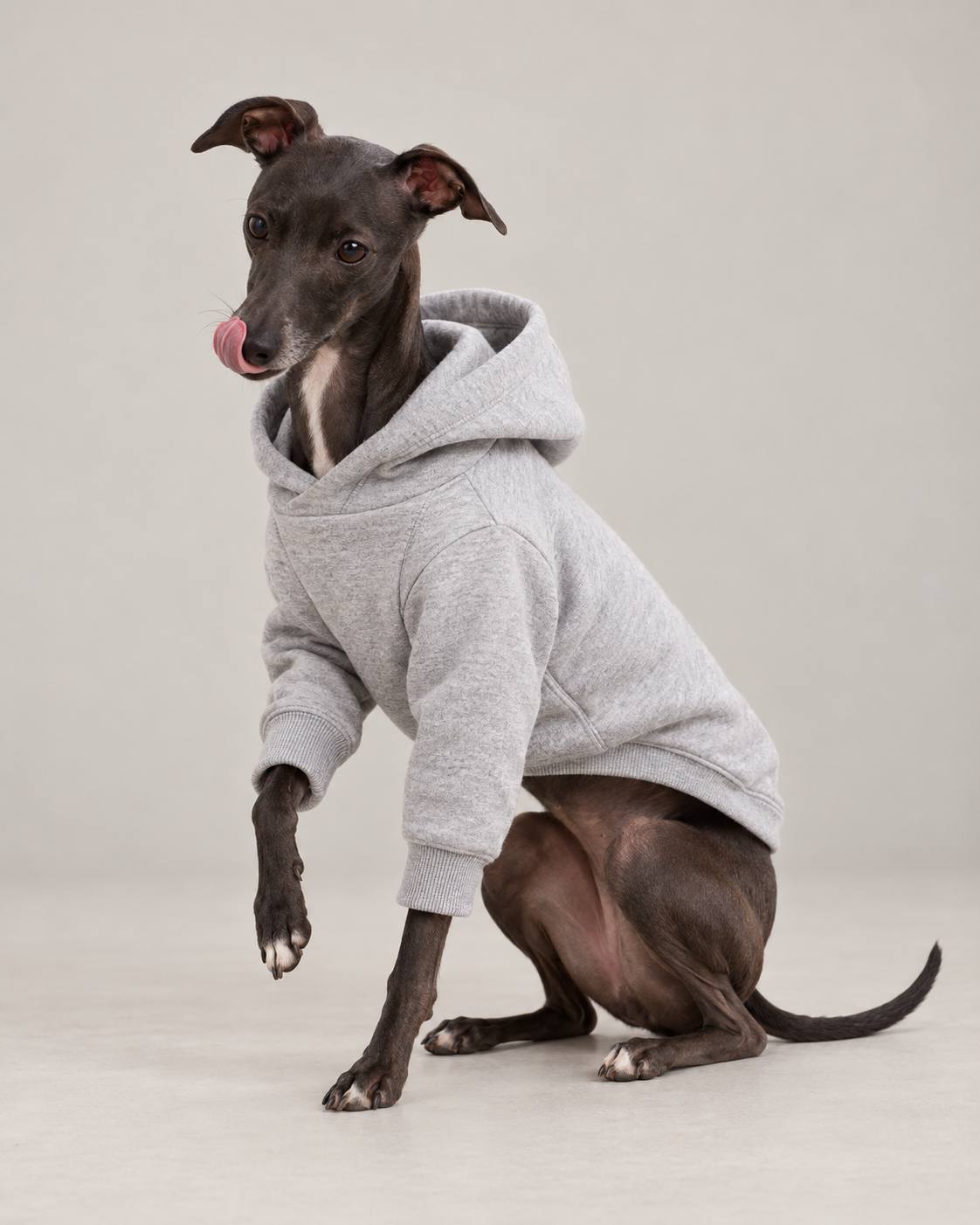
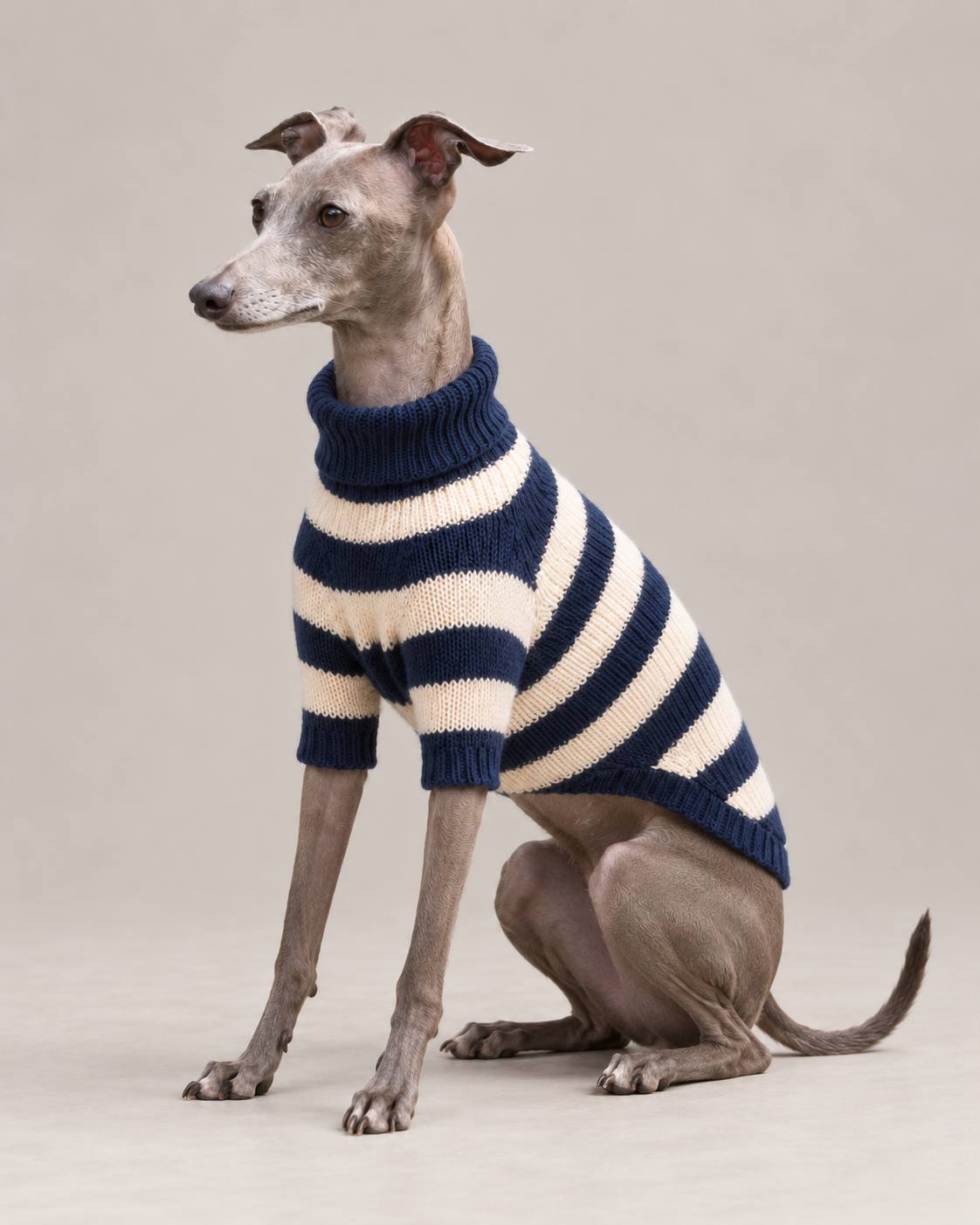
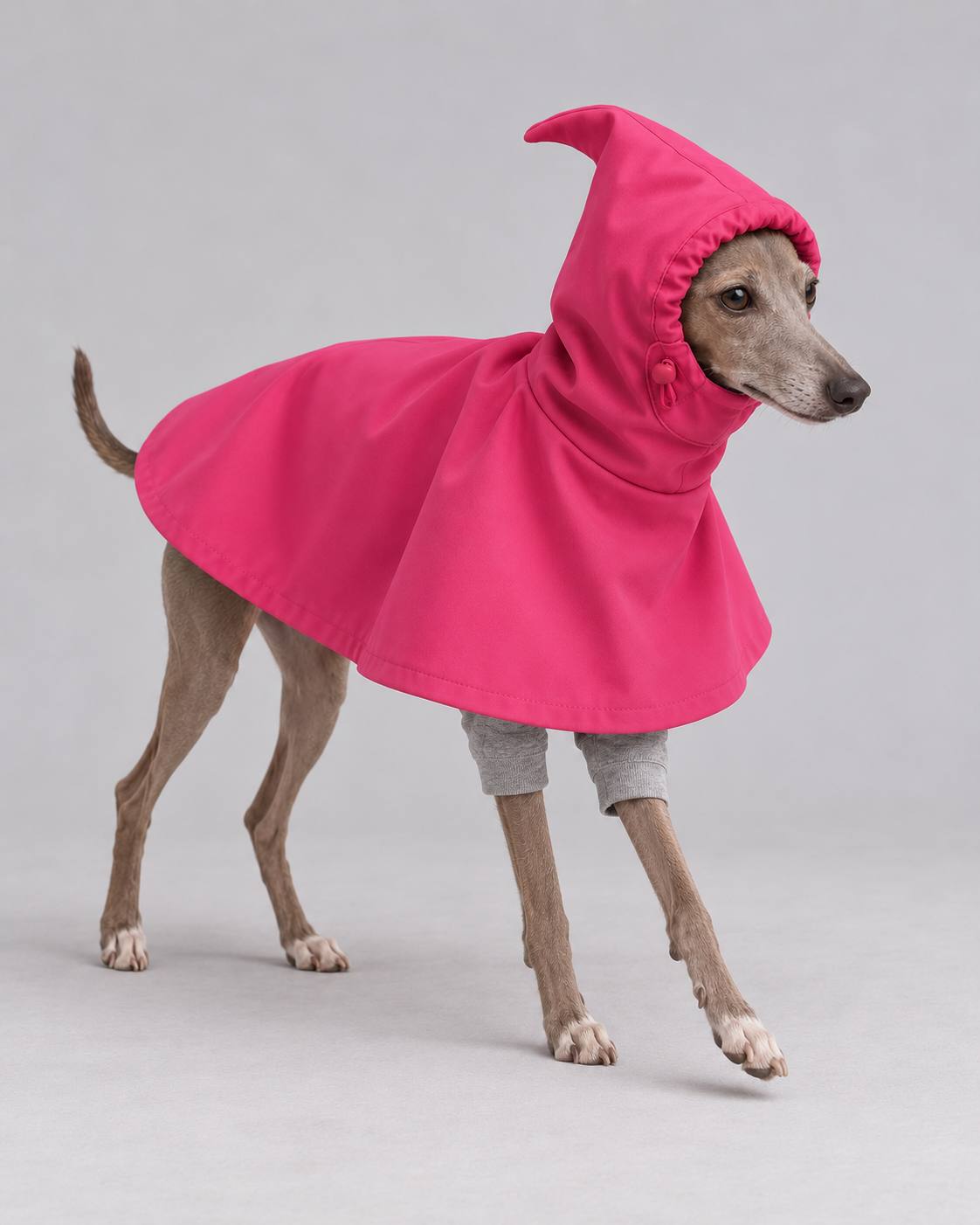
An Italian Greyhound copes poorly with cold and damp. Seniors and weakened dogs usually feel the cold more, so in cold and damp they especially need clothing, a warm place and a blanket. Tremors in the legs occur with age. If your Italian Greyhound shivers in the warm, show it to a vet. More in our articles on whether Italian Greyhounds get cold and on shivering.
A safe home
A senior dog has weaker muscles and poorer coordination, so:
- non-slip mats where the dog walks most;
- a ramp or steps to the sofa (jumps are dangerous not just for puppies);
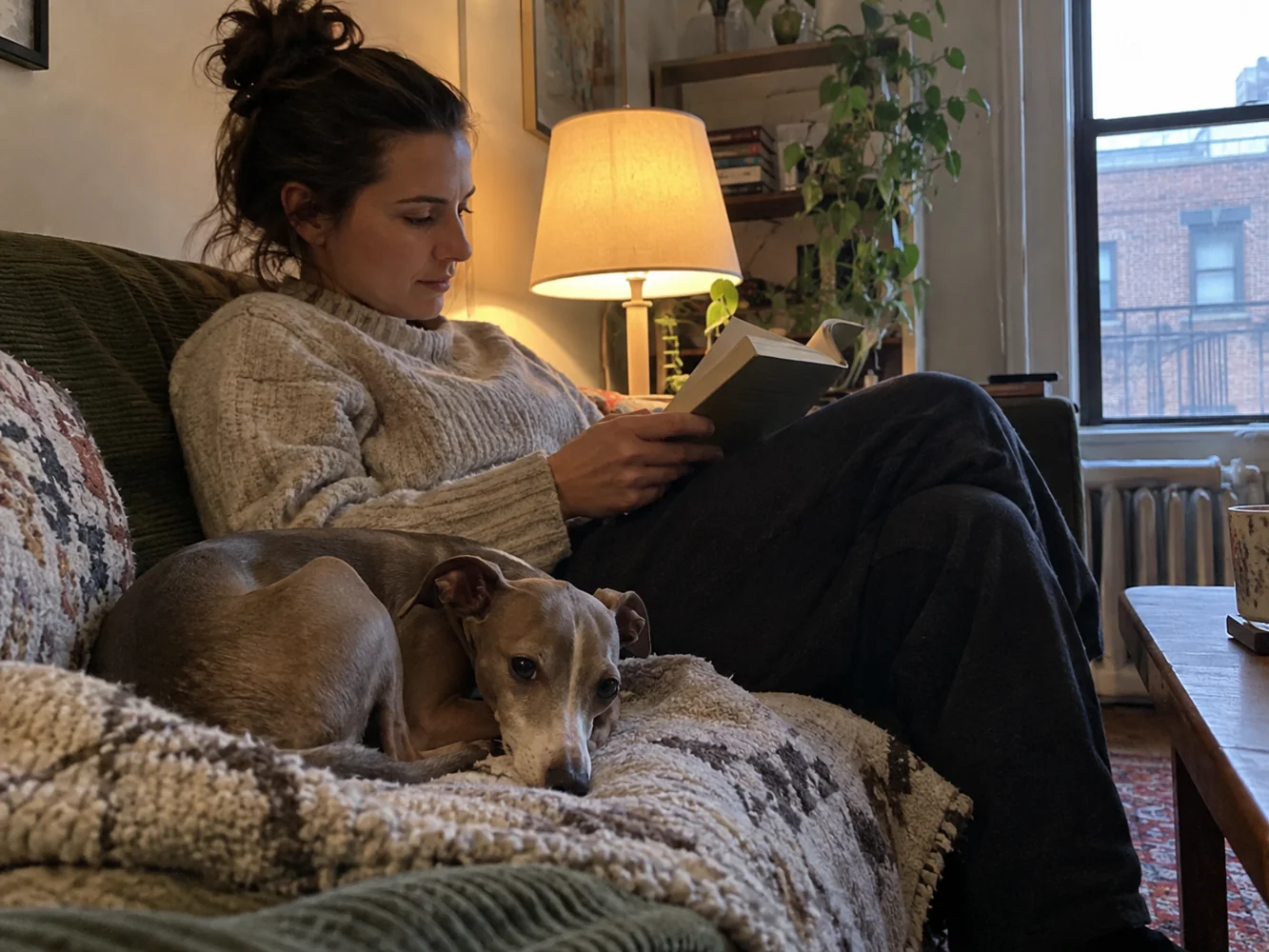
- a bed in a warm, draught-free place, near you;
- bowls at a comfortable height;
- short but regular walks;
- do not leave it alone for long: Italian Greyhounds struggle to be alone.
More in our article on leg fractures.
Anesthesia
Sighthounds are sensitive to anesthesia: the reasons are known (little fat, how they handle drugs, a nervous temperament). For a senior dog this matters especially. Before a procedure discuss with the vet the drugs, warming, intubation, an IV drip and oxygen monitoring. More in our article on anesthesia.
Vet check-ups
Life stage depends not only on age but on size, lifestyle, health and breed. So the frequency of check-ups is set by the vet. Seniors are usually advised to be seen more often than young dogs: ask your own vet.
What to discuss:
- teeth and gums;
- weight and condition;
- joints and mobility;
- sight and hearing;
- the heart;
- blood tests at the vet’s direction;
- vaccination (core vaccines for adults need not be given more often than necessary; the vet will say which are needed).
When to see a vet urgently
- will not put weight on a leg, limps, cannot get up;
- sudden weakness, lethargy, refusing food;
- vomiting, diarrhoea;
- laboured breathing, coughing;
- seizures;
- a red, cloudy or painful eye;
- thirst or urination suddenly increased.
Frequently asked questions
- How long does an Italian Greyhound live? Usually 12–15 years, often 14–15.
- From what age is it senior? By the usual definition (the last 25% of life), roughly from 9–11 years; it is a guide.
- How do I care for a senior Italian Greyhound? Teeth, weight, warmth, a non-slip floor, vet check-ups.
- Does a senior need clothing? In cold and damp yes: it usually feels colder.
- Can a senior have anesthesia? On the vet’s decision, but discuss drugs and warming.
What to remember
- An Italian Greyhound is counted senior from roughly 9–11 years; it is a guide.
- Teeth, weight, warmth and a non-slip floor matter most.
- Before anesthesia discuss sighthound particulars with the vet.
- Sudden changes in behaviour and health are a reason to see a vet.
Sources
References for checking facts and reading further.
Useful? Save it for your next walk.