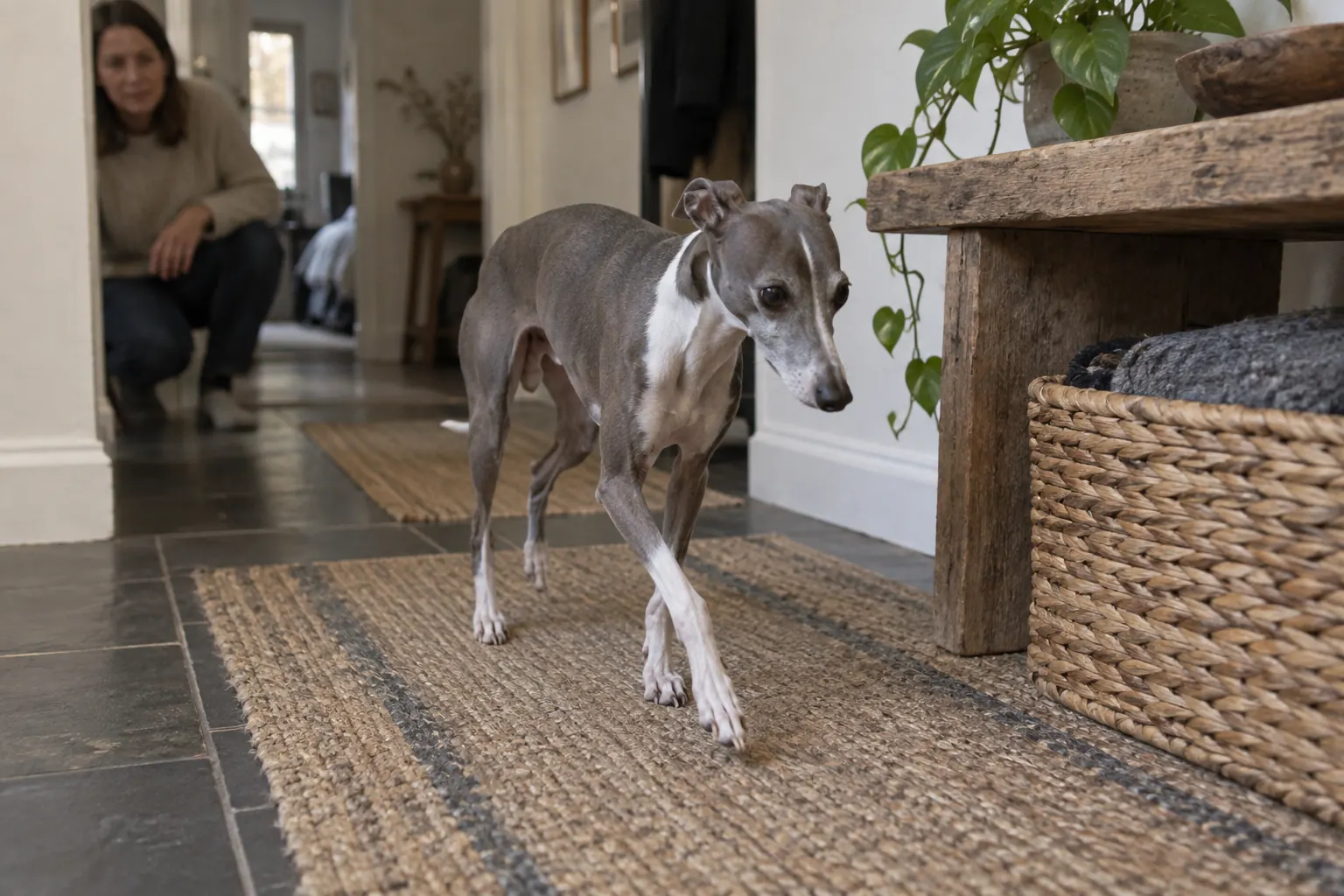
Anesthesia for an Italian Greyhound: the short answer
An Italian Greyhound can have anesthesia: dental cleanings, spaying and surgery go well for many dogs. But sighthounds are more sensitive to anesthetics than other dogs, so you need to tell the vet that this is a sighthound and discuss drugs and warming.
The essentials:
- The causes of sensitivity are low body fat, how the body handles drugs and a nervous temperament.
- Avoid thiopental. Safer options named are propofol, a ketamine and diazepam combination, methohexital and isoflurane.
- Before the procedure ask whether the dog will be kept warm and whether intubation, an IV drip and oxygen monitoring will be used.
- The vet decides. This article helps you ask the right questions; it does not replace a consultation.
Why sighthounds are sensitive to anesthesia
Four reasons are given:
- A nervous temperament. Stress can push a sighthound’s temperature up.
- A lean build. The dog has little protection against cold and chills quickly during the procedure.
- The composition of the blood: sighthounds have more red blood cells and less protein than many other dogs.
- Slow metabolism of drugs. Drugs that are redistributed through fat can reach toxic levels in sighthounds because there is little fat.
The Italian Greyhound Rescue guidance also discusses intubation, an IV drip and oxygen monitoring during the procedure.
Which drugs are named as safer
Italian Greyhound Rescue (the material is undated, and the final decision always belongs to the vet) advises avoiding thiopental. This guidance names as safer:
- propofol (with slower recovery);
- a ketamine and diazepam combination;
- methohexital;
- isoflurane, an inhaled agent.
Modern protocols may differ: the vet chooses drugs by the dog’s condition and their own experience. Your task is to ask and make sure they know about the particulars of sighthounds.
What to ask the vet before anesthesia
Before the procedure ask:
- Have you worked with sighthounds? Which drugs do you use?
- Will the dog be kept warm during and after the procedure?
- Will intubation, an IV drip and oxygen and temperature monitoring be used?
- Is blood work needed before anesthesia?
- How long should the dog go without food beforehand? (the vet sets this)
- How should I look after the dog afterwards: warmth, routine, observation?
A good clinic will answer calmly and in detail. If the vet waves it away, think of another.
When an Italian Greyhound needs anesthesia
Most often an Italian Greyhound needs anesthesia for:
- a professional dental cleaning: one yearly is advised, but the vet decides whether it is necessary (our article on teeth);
- surgery, including for leg fractures (our article on fractures);
- spaying or neutering;
- examinations where the dog has to be kept still.
If the procedure is planned you can choose the time and clinic. If it is urgent (a fracture, say), still tell the vet it is a sighthound.
After anesthesia
What matters after the procedure:
- keep the dog warm: after anesthesia it cools faster than usual, and an Italian Greyhound feels the cold anyway;
- watch behaviour and breathing as the vet advises;
- follow the vet’s instructions on food and routine;
- if there are alarming signs (weakness, laboured breathing, vomiting), contact the clinic.
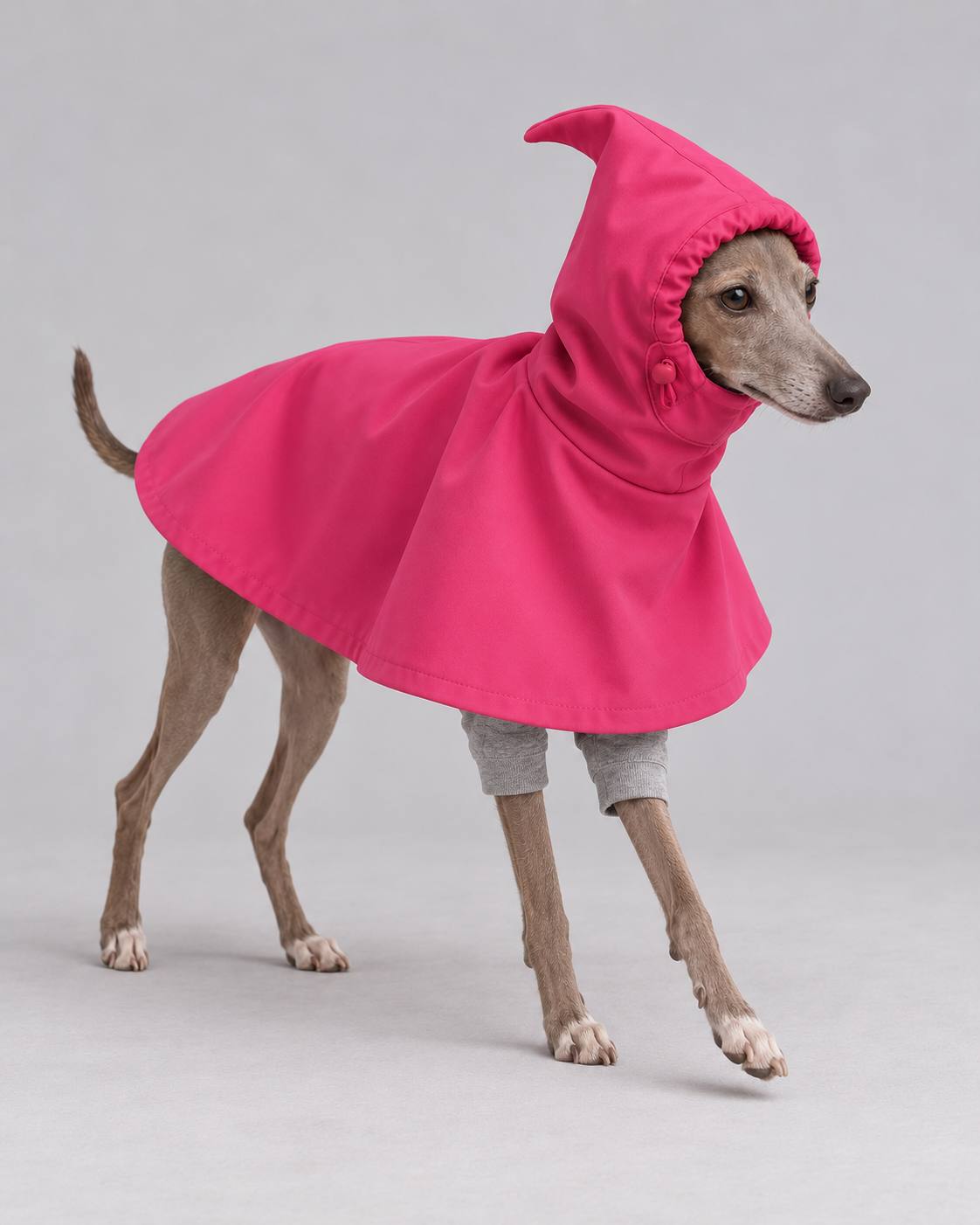
In the cold season soft warm clothing is especially useful after anesthesia: the vet will say whether it can go over stitches and dressings. More about clothing in our clothing guide.
Frequently asked questions
- Can an Italian Greyhound have anesthesia? Yes, but tell the vet it is a sighthound.
- Why are sighthounds more sensitive? Little fat, how they handle drugs, blood composition and a nervous temperament.
- Which drugs are safer? Propofol, ketamine with diazepam, methohexital, isoflurane; it is better to avoid thiopental.
- Does the dog need warming? Yes, ask the vet about it.
- Can it be done without anesthesia? For dental cleanings and surgery it is usually needed. The vet decides.
What to remember
- Sighthounds are sensitive to anesthetics: warn the vet.
- Ask about drugs, warming, intubation, an IV drip and oxygen monitoring.
- By this source, thiopental is best avoided.
- After anesthesia keep the dog warm.
Sources
References for checking facts and reading further.
Useful? Save it for your next walk.