Companionship matters
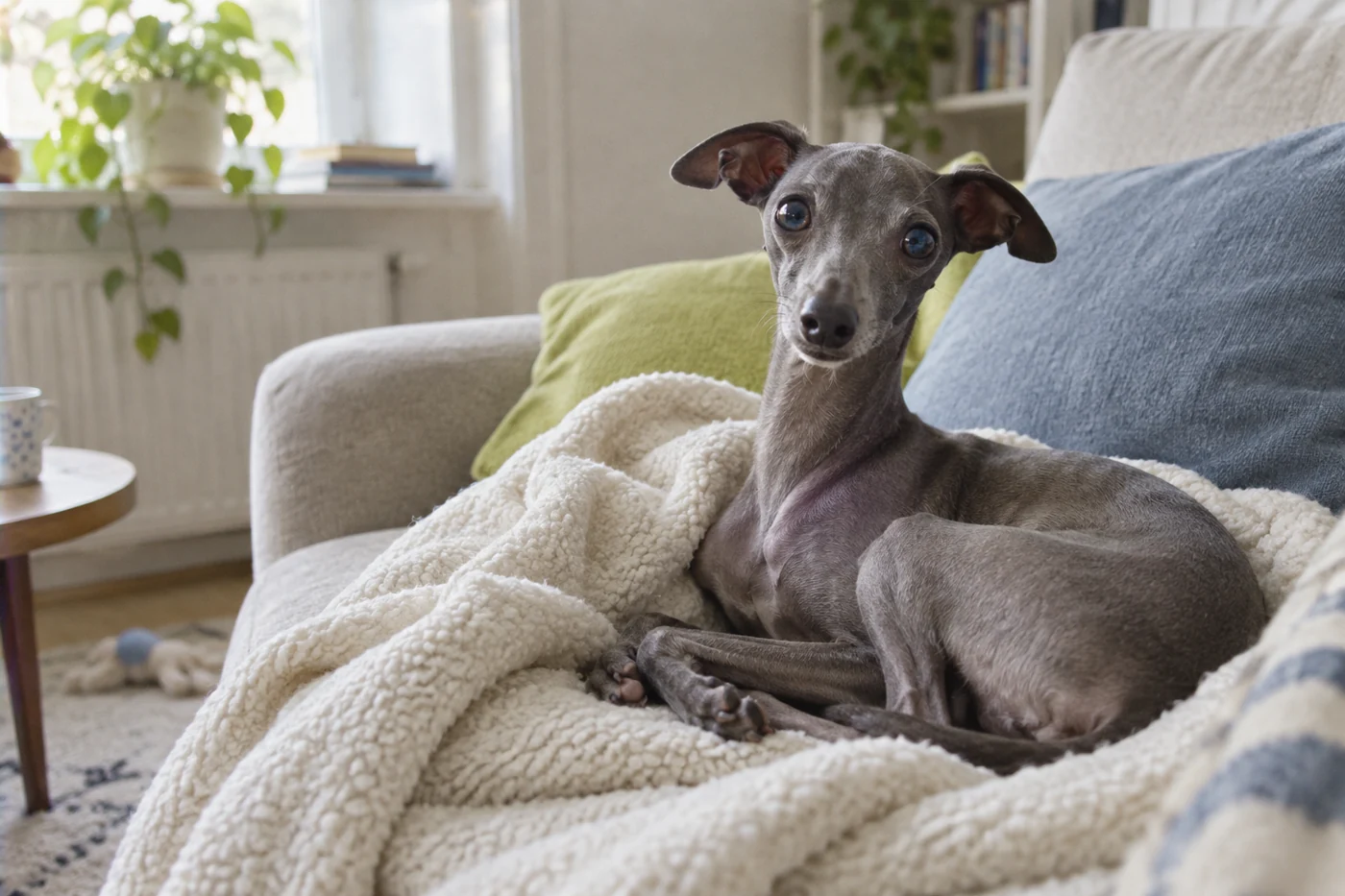
The FCI standard describes the breed as lively, affectionate and docile. In ordinary life, affection has small, concrete forms: watching a person, coming closer, settling in a familiar spot. Not every dog is equally sociable. One enjoys visitors; another needs time to feel safe. Respect the difference and offer a resting place where the dog will not be disturbed uninvited.
The sighthound wakes up outdoors
Small size does not erase interest in movement. A leaf, bird, running dog or bicycle can take over a sighthound’s attention in a moment. Build recall gradually in safe places; a street beside traffic is no place to test off-leash freedom. A securely enclosed field can offer a good outlet for healthy dogs that enjoy running.
Sensitivity is not a flaw
A harsh voice, a rushed fitting or a noisy introduction to visitors can turn a simple event into an unpleasant one. Predictability, short steps and a chance to pause usually help. That does not mean abandoning household rules. Consistency makes expectations easier to understand. If fear or anxiety significantly affects daily life, seek help from a veterinarian and a qualified behaviour professional.
Every dog has its own rhythm
The image of an iggy who needs only a bed misses half the day. The image of a tireless athlete misses the other half. Notice which walks lead to relaxed rest, what causes overstimulation and which games your dog enjoys. Build a rhythm around those observations, rather than someone else’s social-media schedule. Both blanket time and outdoor time become better for it.
The practical takeaway
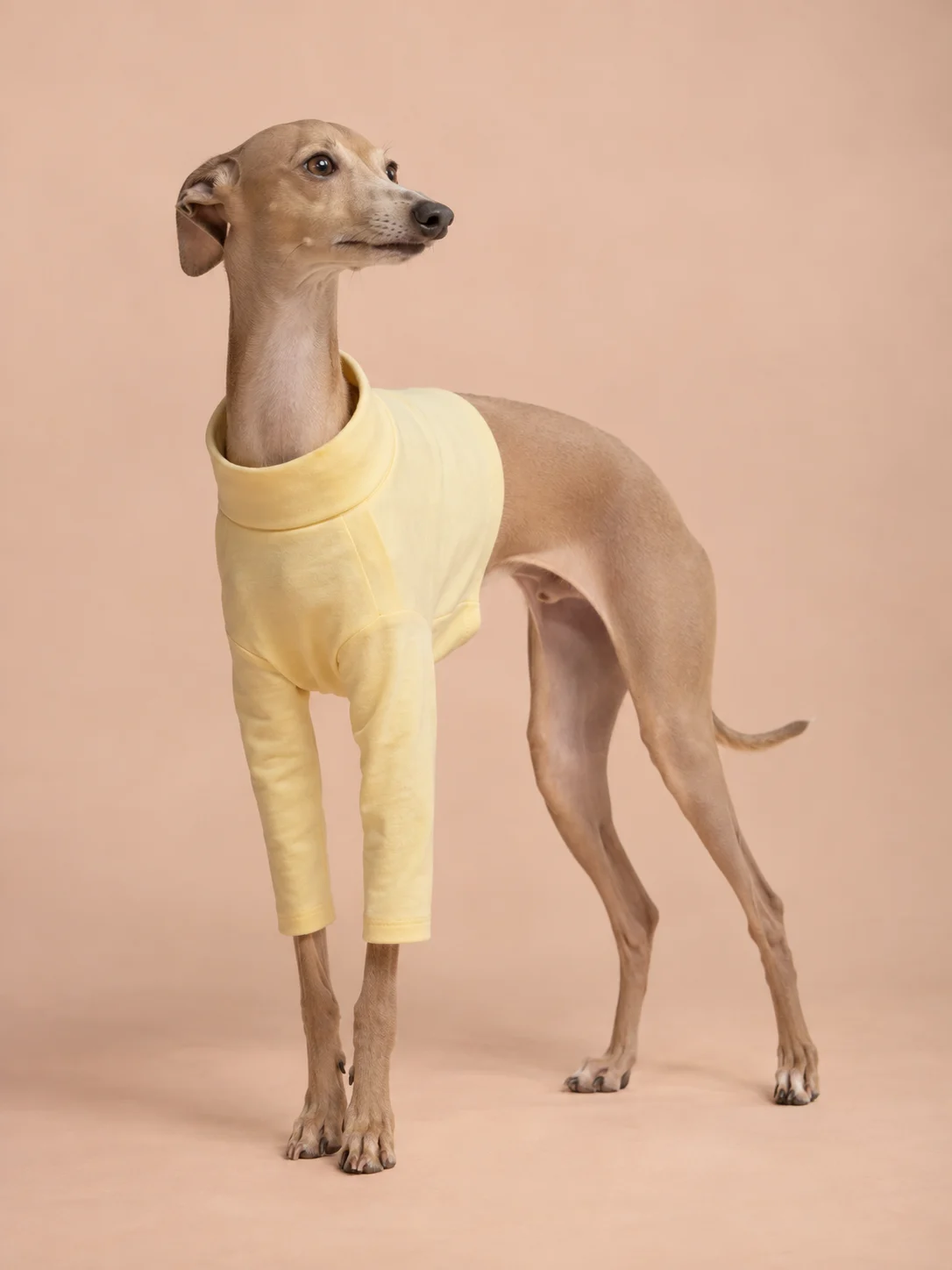
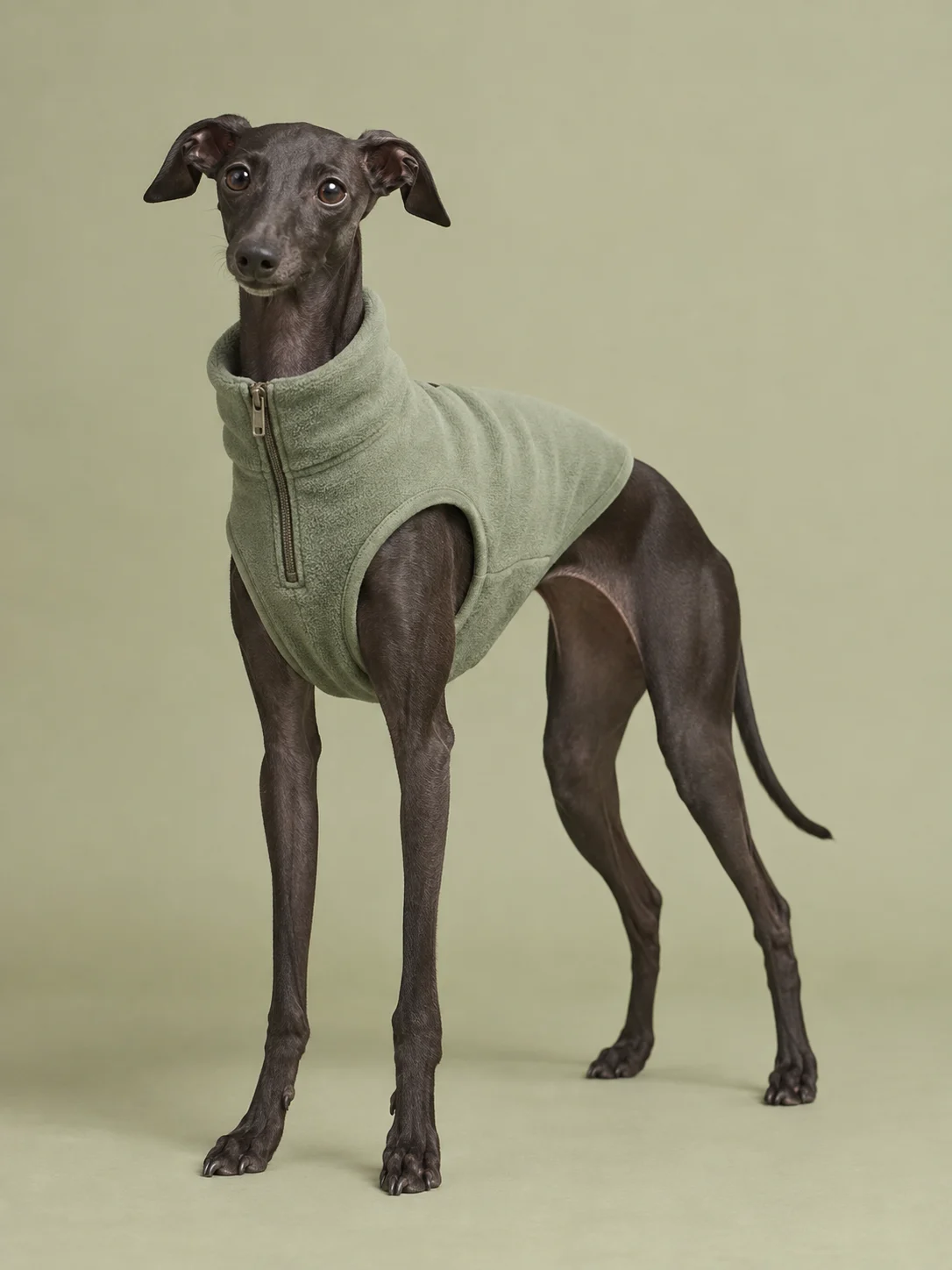
Offer closeness, safe movement, patient training and a comfortable place to recover. Choose clothing as a comfort tool when the weather calls for it, not as a way to change the dog’s personality. The most expressive thing on any walk remains the dog itself: alert eyes, a funny ear and that unmistakable stride.
Sources
Breed facts were checked against these references. Editorial tips do not replace veterinary advice.
Useful? Save it for your next walk.