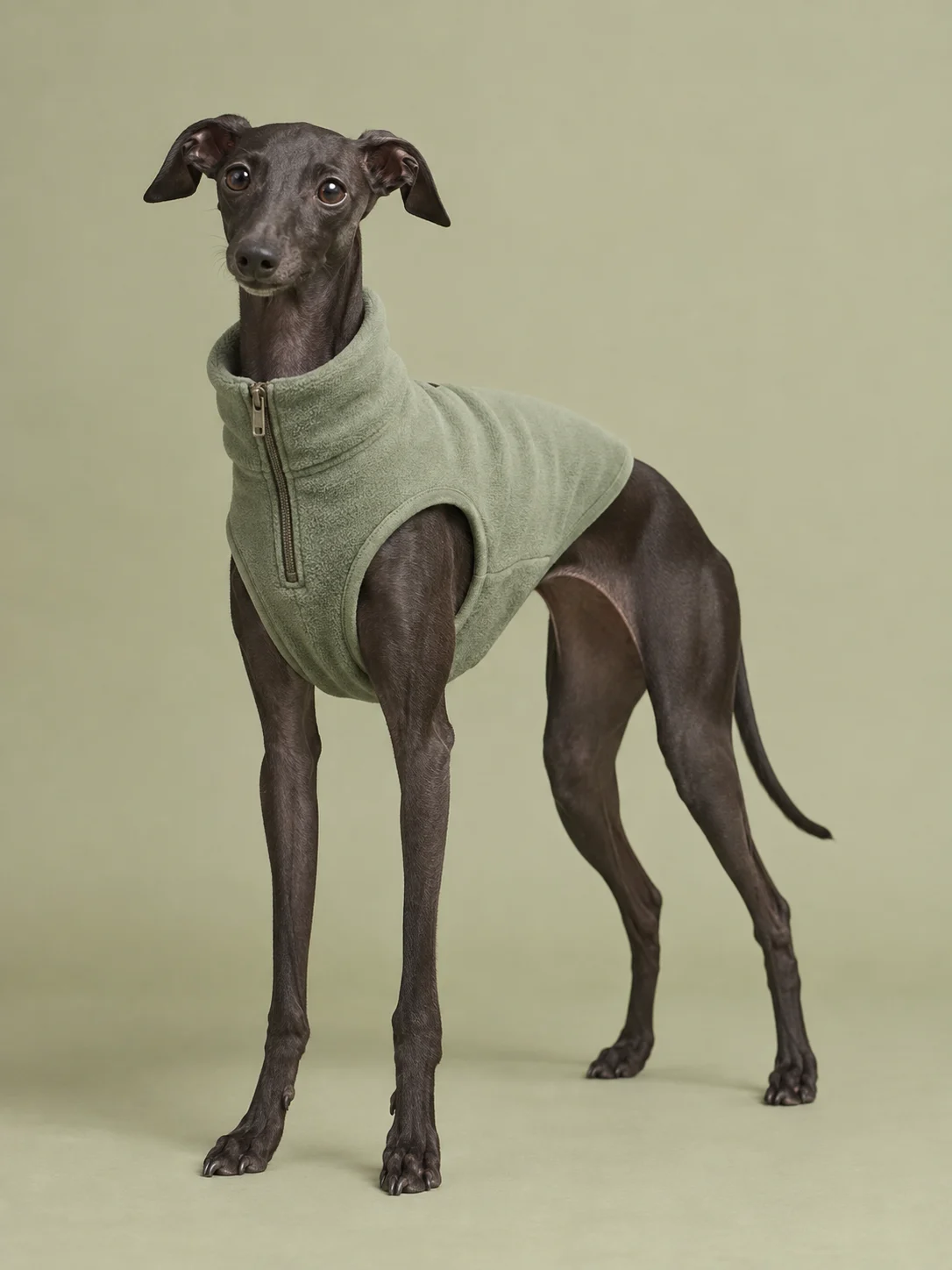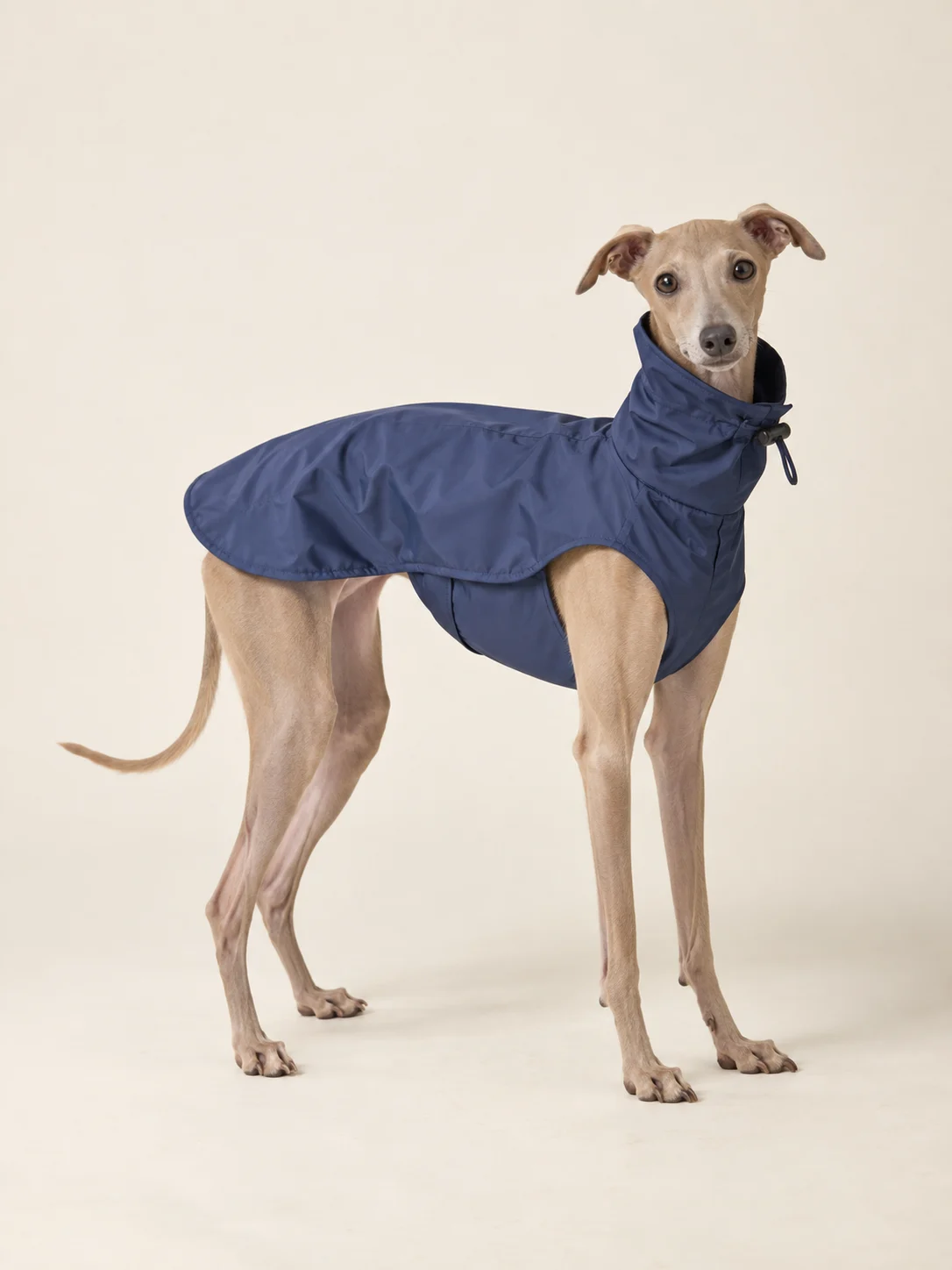
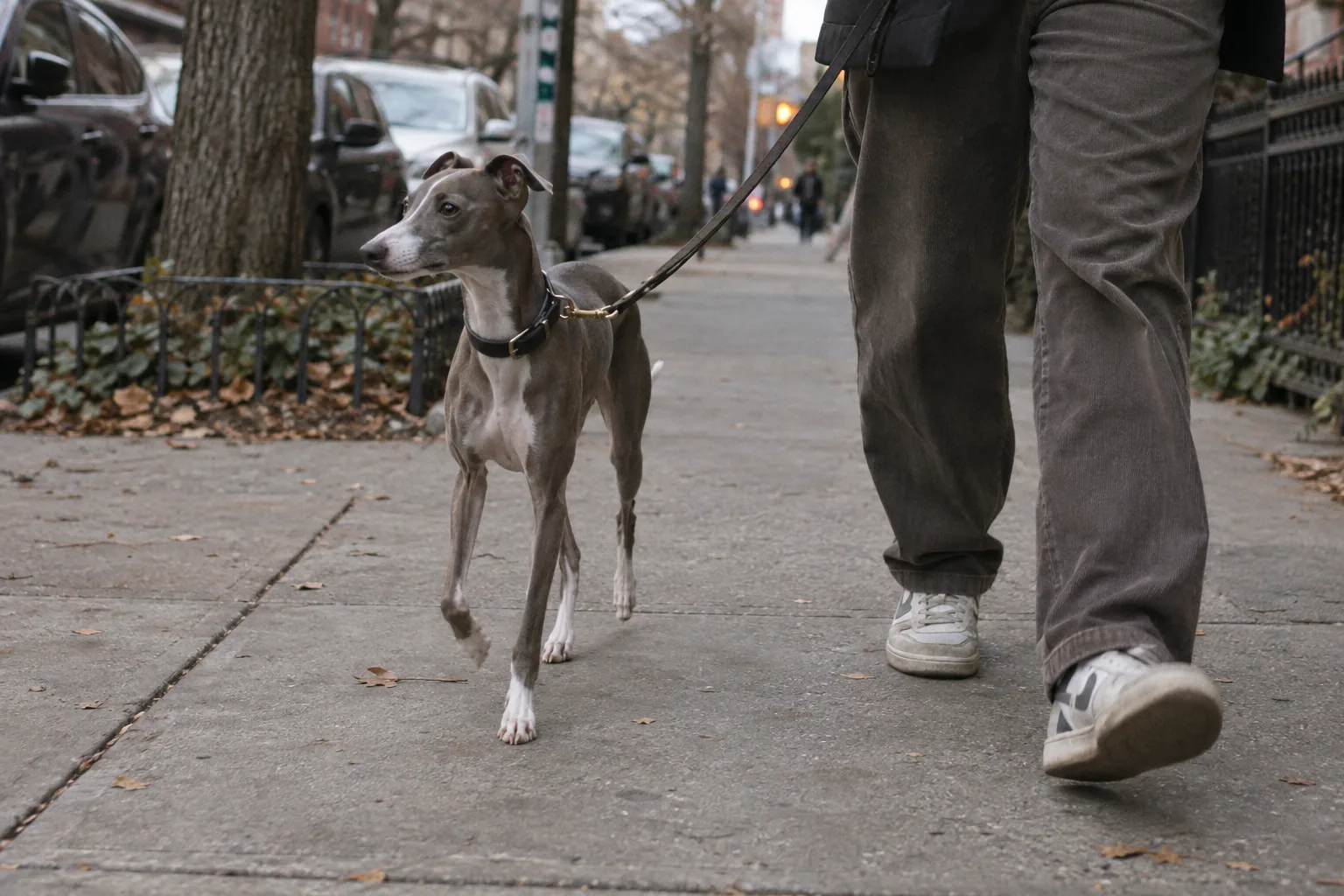
First, who is this dog?
The Italian Greyhound is a distinct small sighthound, not a Greyhound puppy that forgot to grow. Its long narrow head, fine neck, deep chest, tucked waist and light movement create the familiar silhouette. The size may be modest, but the dog behind it is very real: noticing movement far away, chasing a toy, inspecting an unfamiliar place. The mix of affection at home and athletic energy outdoors is what surprises many new owners.
What is in the name?
In Russian, the names “levretka” and “small Italian sighthound” refer to the same breed. The FCI standard calls it Piccolo Levriero Italiano and uses Italian Sighthound in English. The shortened phrase “small sighthound” is less precise because there are many sighthound breeds. We use the full names naturally so readers can find the answer without wondering whether two different dogs are being described.
Affectionate, with opinions
On the sofa, an Italian Greyhound may want to be as close to you as physically possible. Outside, a moving leaf or bird can suddenly become the most interesting thing in the world. One funny video cannot explain every dog; age, experience and temperament matter. It helps to plan for both sides of sighthound life: companionship and patient training, plus chances to move and explore safely.
Can it live in a city flat?
Yes, provided the flat is a place to rest rather than the dog’s entire world. Give them safe footing, a calm sleeping spot and a predictable routine. A walk is more than a quick bathroom trip: smells, different routes and shared activities all matter. There is no need to make every day an endurance event. Watch the individual dog and ask your vet about exercise if there are health limitations.
Why does clothing come up so often?
An Italian Greyhound has a short coat and limited natural insulation. The breed club notes that prolonged exposure to extreme cold does not suit the breed. That does not translate into one universal “put on a coat at this temperature” rule: wind, dampness, activity and the individual dog all change the picture. Clothing helps when it keeps the dog comfortable without restricting movement. Watch the dog and check the fit instead of relying on a number alone.
The first month together
Choose a veterinary practice, ask the breeder or previous carer about food and routine, and prepare a safe space before your dog arrives. A few short, calm introductions to the new world are more useful than a packed calendar of visitors. Keep a list of questions about food, behaviour, nails, walks and clothing. The breed has memorable quirks, but there is no secret formula. Consistent everyday care matters more than a perfect shopping list.
Where to go next
If you are choosing a breed, begin with its history, temperament and a comparison with the Whippet. If the dog is already home, the first-week, home-safety and walking guides will be more useful. Bring back, chest and neck measurements when you shop for clothing. A photograph can make you want a garment; a good fit helps your dog actually wear it.
Sources
Breed facts were checked against these references. Editorial tips do not replace veterinary advice.
Useful? Save it for your next walk.