Why an Italian Greyhound shivers: the short answer
Shivering in an Italian Greyhound most often comes from cold: the breed copes poorly with cold and damp. But it can also come from fear, excitement, pain and illness. The key rule: if your Italian Greyhound shivers in a warm room and it does not pass, show it to a vet.
What to know:
- Cold. The most common cause. The shivering stops when the dog is warm.
- Fear, stress, excitement. Thunder, visitors, a journey, waiting for a treat.
- Pain. Especially after a jump or fall.
- Illness. Shivering together with lethargy, loss of appetite, vomiting.
- Poisoning. Chocolate, raisins and other dangerous foods cause tremors.
- Seizures. This is not ordinary shivering, and it must be shown to a vet at once.
Shivering from cold
An Italian Greyhound is a short-coated sighthound with little body fat. It copes poorly with long spells in the cold and is very sensitive to damp. Small dogs also tend to shiver more than large ones because of their low body mass and lack of insulation. Puppies, seniors, sick and thin dogs feel the cold more than usual (a general vet rule). If the cause is cold, the shivering should ease once the dog is warm.
What to do:
- bring the dog into the warm;
- dry it if it is wet;
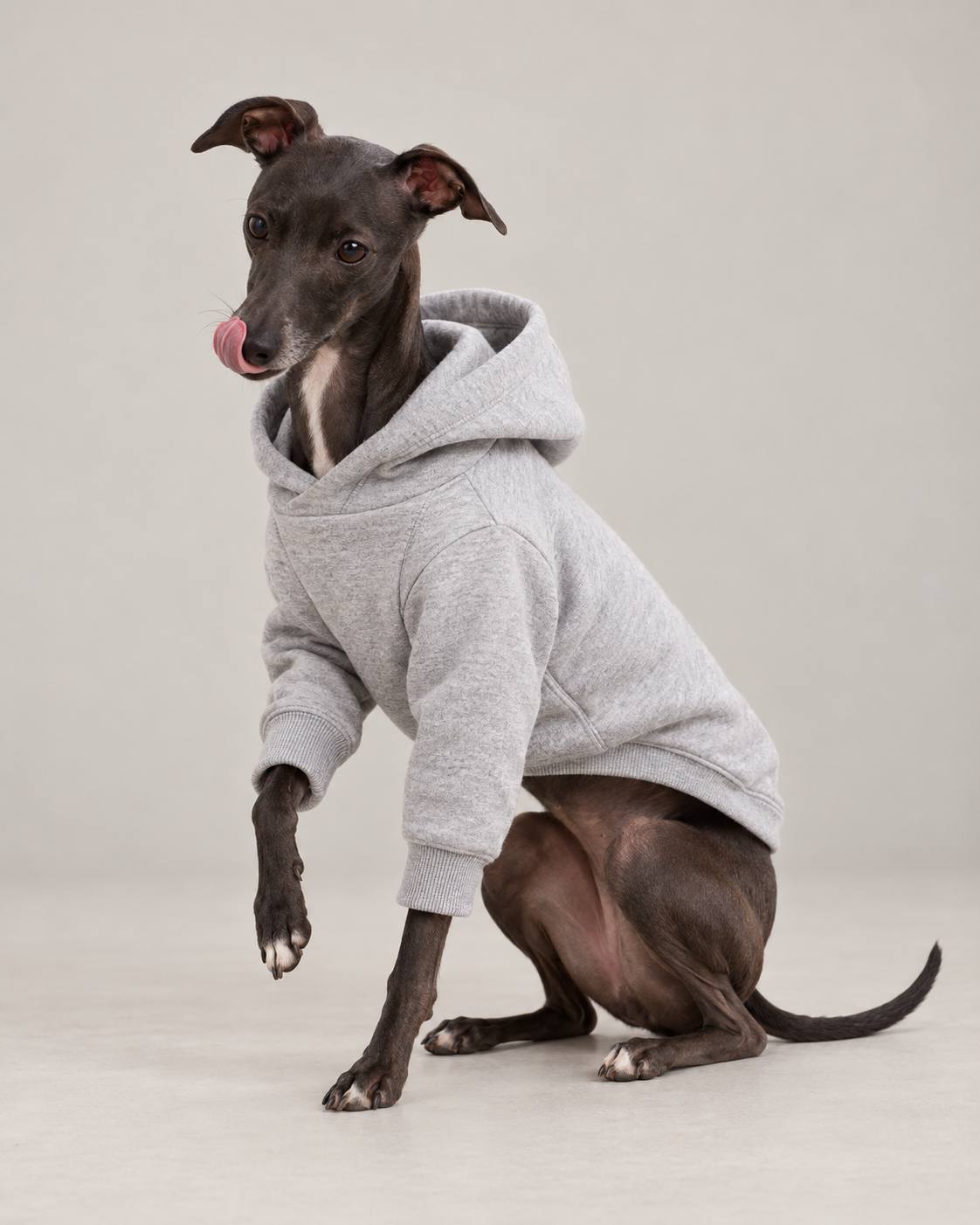
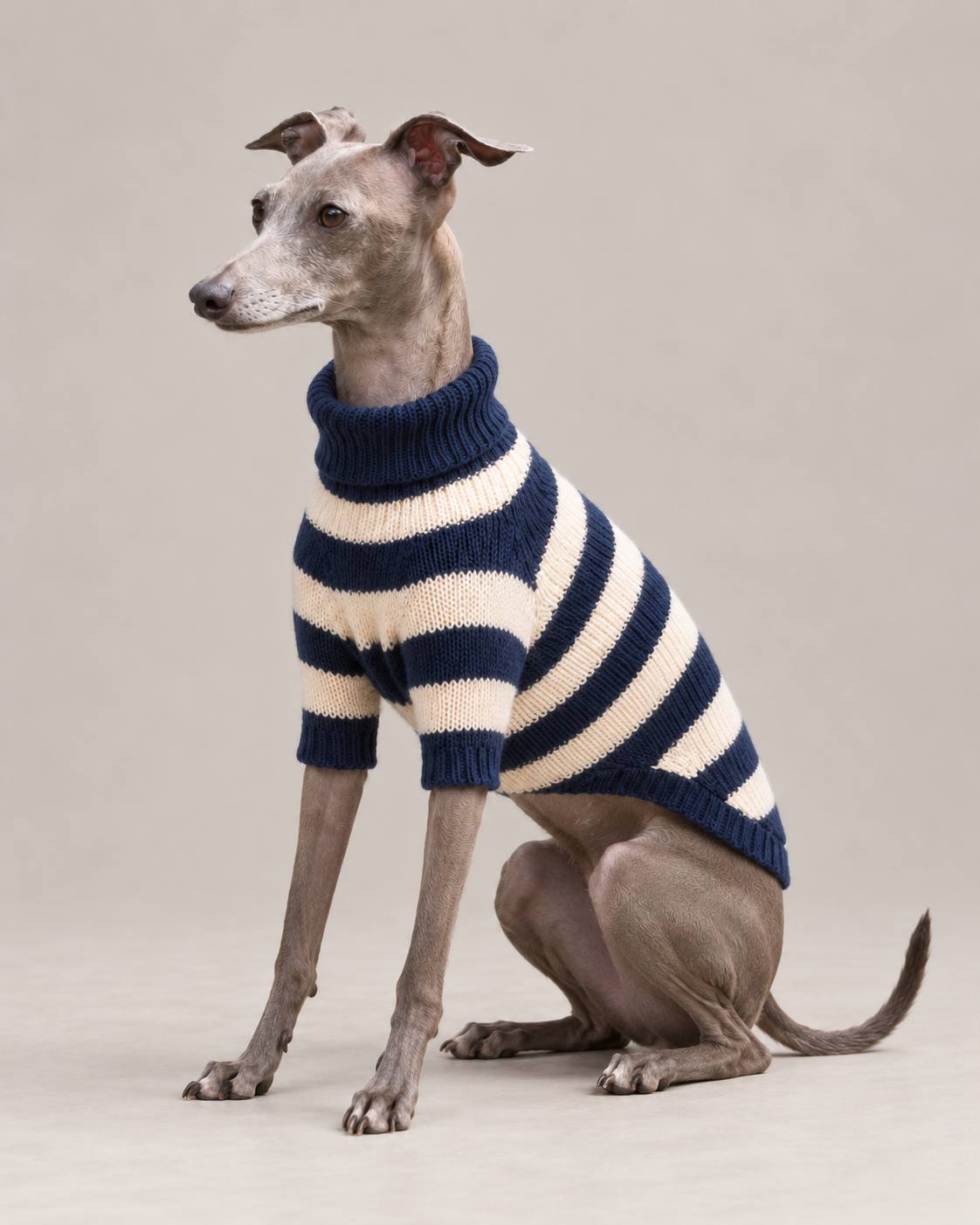
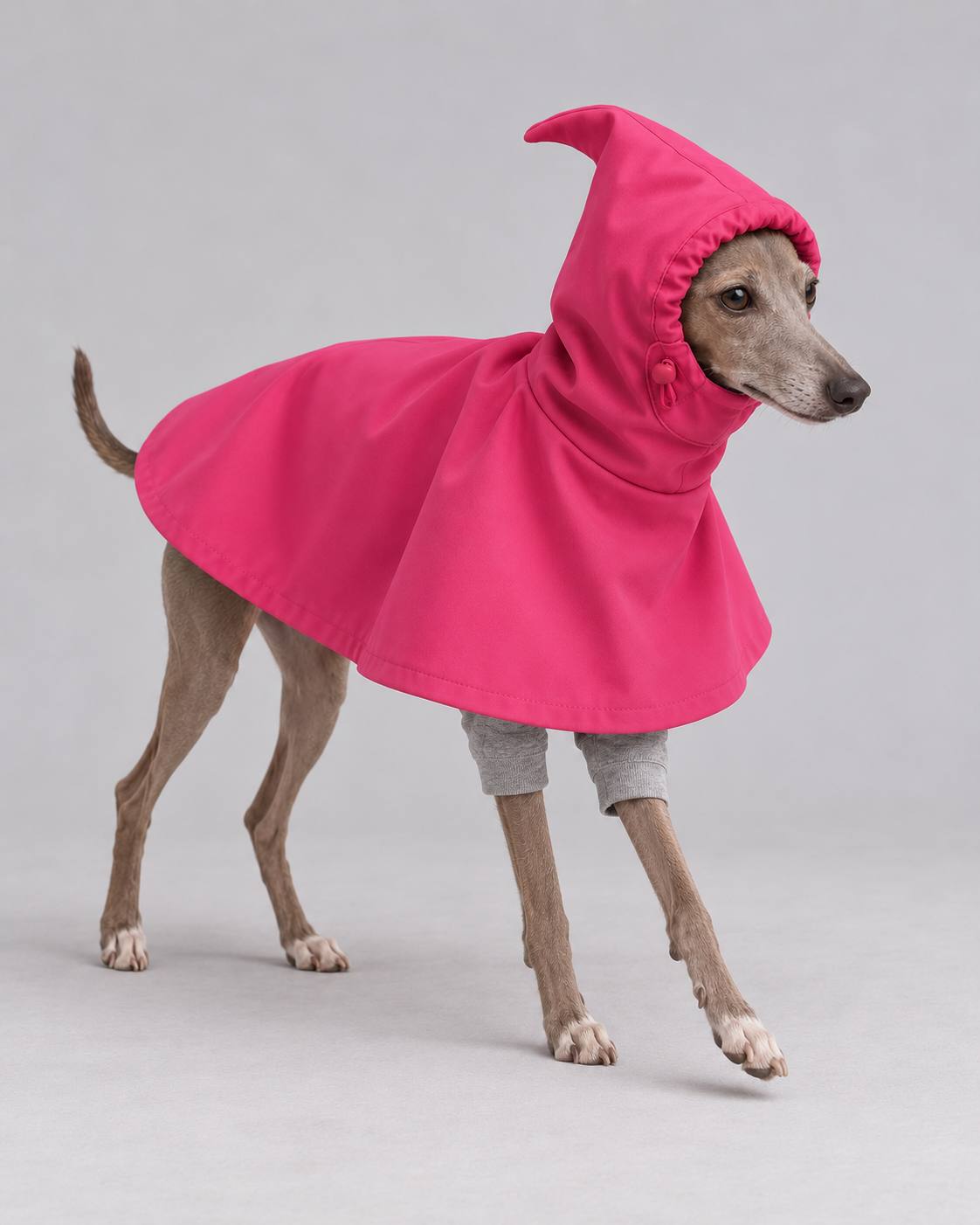
- cover it with a blanket or put clothing on it;
- give it a warm spot.
If the shivering passed in the warm, it was the cold. How to dress the dog and when to cut a walk short is in our article on whether Italian Greyhounds get cold.
Shivering from fear, stress and excitement
An Italian Greyhound is sensitive. It is also alert, and stress, anxiety and fear are among the common causes of shivering in dogs.
Typical triggers: thunder, fireworks, visitors, a trip to the vet, a new place, a noisy street. It also shivers from joy: before a walk, a meal, meeting you.
What to do:
- remove the source of fear if you can;
- do not scold or force;
- let it hide in a familiar place;
- speak calmly and do not fuss;
- get used to the frightening thing gradually (more in our article on training).
If the shivering is tied to fear of being alone, more in our article on being home alone.
Shivering from pain
Pain often shows as shivering. If an Italian Greyhound shivers after a jump, fall or play, holds up a leg, will not let you touch it, whines or behaves oddly, show it to a vet. More about injuries in our article on leg fractures.
Pain can also be internal: teeth, belly, joints. So shivering with no obvious cause is a reason for an examination.
Shivering from illness, age and poisoning
Pain and illness are among the causes: distemper, hypoglycemia, Addison’s disease, inflammatory brain disease, an upset stomach and “shaker syndrome”. Usually shivering in illness comes with lethargy and loss of appetite.
Poisoning is a separate danger: tremors can be caused by chocolate, caffeine, alcohol, xylitol, macadamia nuts and other foods and plants dangerous for dogs. If you suspect the dog has eaten something, call the clinic immediately.
When to see a vet urgently
Go to the clinic at once if the shivering comes with:
- weakness, lethargy, refusing food;
- vomiting or diarrhoea;
- drooling or laboured breathing;
- loss of orientation;
- seizures: muscles locking up, loss of consciousness or control of the body;
- suspected poisoning;
- obvious pain or limping.
A seizure differs from ordinary shivering: the muscles lock and the dog loses contact with its surroundings. If it happens for the first time you need urgent help. Note the time and, if you can, film it. Seizures have been reported in Italian Greyhounds, but not often. More in our health article.
When you can just watch
If the shivering has an obvious cause (cold, thunder, joy) and stops when the cause is gone, and the dog behaves normally and eats, you can just watch. But if the shivering keeps coming back without a cause, or you are worried, it is better to show the dog to a vet.
How to help at home
- Keep the home warm and draught-free.
- Give it a soft bed and a blanket.
- Get it used to clothing in the cold season.
- Do not leave it alone for long: Italian Greyhounds struggle to be alone.
- With age, leg tremors can come from weakening muscles (a possible cause): show a senior dog to a vet.
- Do not frighten or scold it.
- Watch its weight and teeth: pain and illness also cause shivering.
Frequently asked questions
- Why does my Italian Greyhound shiver at home? If the room is warm, the cause may be fear, excitement, pain or illness: show it to a vet.
- Is it normal for it to shiver outdoors? Often it is the cold. Warm it up, and if it shivers in the warm too, see a vet.
- Do Italian Greyhounds shiver from joy? Yes, many dogs get excited before a walk or a meeting.
- What if it shivers and is lethargic? Show it to a vet the same day.
- How does shivering differ from a seizure? In a seizure the muscles lock and the dog loses contact with its surroundings. It is an emergency.
What to remember
- Most often shivering is from cold, but not always.
- If it does not stop in the warm, show the dog to a vet.
- Shivering plus lethargy, vomiting, pain or suspected poisoning: straight to the clinic.
- Seizures differ from shivering: they are an emergency.
Sources
References for checking facts and reading further.
Useful? Save it for your next walk.